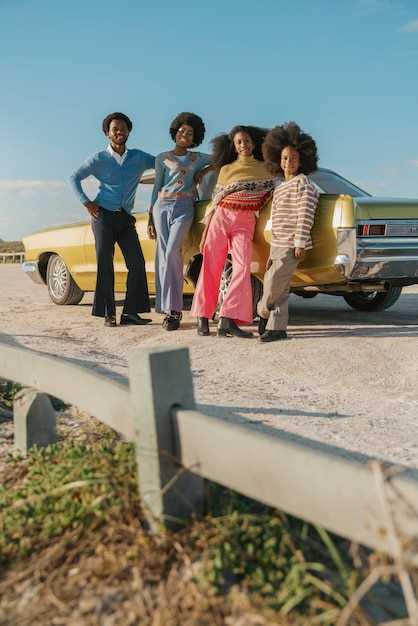
Driving vintage cars from the 1970s can be a thrilling experience, evoking nostalgia and appreciation for classic automotive design. However, while these vehicles are admired for their unique style and character, they also come with distinct challenges that can affect safety on the road. Understanding how to handle these classic machines is essential for a safe and enjoyable ride.
Incorporating tips into your driving routine can significantly enhance your safety. Classic cars often lack modern safety features such as airbags and advanced braking systems, making it crucial for drivers to adapt their driving habits. By familiarizing yourself with the specific attributes of your vintage vehicle, you can mitigate risks and navigate the roads with confidence.
Whether you’re a seasoned enthusiast or a newcomer to the world of classic automobiles, this article will provide vital tips for safe driving. From essential maintenance checks to driving techniques suited for older models, understanding these factors will help ensure that your experience with 70s cars remains both enjoyable and secure.
Understanding and Upgrading Vintage Brake Systems

Driving classic 70s cars offers a nostalgic experience, but it also comes with unique safety challenges, particularly regarding braking systems. Most vintage vehicles are equipped with drum brakes, which can be less efficient compared to modern disc brakes. Understanding how these systems work and how to upgrade them is essential for safe driving.
First, familiarize yourself with the components of your car’s brake system. Typically, this includes brake pads, rotors, calipers, and brake fluid. Make sure to inspect these parts regularly for wear and tear, as older components can compromise safety.
One of the first tips for improving your vintage braking performance is to upgrade to high-performance brake pads. These pads are engineered from better materials that provide superior stopping power, especially under heavy braking conditions. Additionally, consider replacing old rubber brake hoses with stainless steel lines, which enhance brake response and reduce the risk of failure.
For those looking for a more significant upgrade, retrofitting your classic car with a disc brake conversion kit can be a game changer. This upgrade not only improves safety but also enhances driving comfort and control. Many manufacturers offer kits designed specifically for popular vintage models, ensuring a fitting that maintains the car’s aesthetic appeal.
It’s also crucial to use high-quality brake fluid that meets modern standards. Flush your brake system periodically to remove air and moisture, which can compromise braking efficiency and safety. When undertaking these upgrades, keep in mind that professional installation is often advisable, especially for those unfamiliar with brake systems.
By taking the time to understand and upgrade your vintage brake system, you significantly enhance your safety while driving classic 70s cars. Prioritize regular maintenance and stay informed about the latest in brake technology to ensure a secure and enjoyable driving experience.
Ensuring Tire Quality and Proper Inflation for Classic Vehicles
When it comes to driving vintage cars, ensuring the quality and proper inflation of tires is crucial for safety. Classic vehicles often lack the advanced safety features found in modern cars, making reliable tires even more essential for a smooth and secure ride.
Quality tires designed specifically for classic vehicles can significantly enhance performance. These tires typically offer better traction and stability, which is critical for navigating various road conditions. It’s important to choose tires that match the vehicle’s specifications, taking into account factors such as load rating, width, and aspect ratio. Vintage tires, often constructed with different materials than contemporary options, can provide a more authentic driving experience while maintaining safety standards.
Regular inspection of tire condition is also paramount. Look for signs of wear, such as cracks in the sidewalls, uneven tread wear, or bulges. Maintaining proper tire tread depth not only ensures better grip but also contributes to the overall safety while driving. If the tread is worn down, it’s time to consider replacements.
Equally important is proper tire inflation. Under-inflated tires can lead to decreased fuel efficiency, reduced handling, and increased risk of blowouts. Conversely, over-inflation can make the tires more susceptible to damage from road hazards. Regularly check tire pressure using an accurate gauge, and ensure that inflation levels are aligned with the manufacturer’s recommendations.
Finally, when preparing for a drive, take a moment to inspect all tires, including the spare. In vintage cars, where emergencies may occur, having a properly inflated spare tire is essential. By prioritizing tire quality and maintenance, you can enjoy a safer driving experience in your classic vehicle.
Utilizing Modern Safety Gear While Driving Vintage Cars

When it comes to safety, driving a classic 70s car can present unique challenges. These vehicles, while nostalgic and stylish, often lack the modern safety features found in contemporary automobiles. To enhance your driving experience and ensure your safety on the road, utilizing modern safety gear is essential.
One of the most effective tips for improving safety while driving vintage cars is the use of high-quality seat belts. Many classic cars were built with minimal safety considerations, and upgrading to modern, three-point seat belts can significantly reduce the risk of injury during an accident. Look for aftermarket options that fit your vintage model while adhering to current safety standards.
Another important aspect is the use of helmets and protective gear, especially for those who enjoy spirited driving or participating in car shows and events. A well-fitted helmet can protect against head injuries, and additional gear such as gloves and racing suits can provide further safety, ensuring that you are well-protected without compromising the classic look of your vehicle.
Additionally, consider investing in modern active safety technologies. Devices such as backup cameras and proximity sensors can be added to vintage cars to enhance awareness and reduce blind spots. These systems help drivers navigate crowded parking lots or busy streets, making driving safer and more enjoyable.
Finally, ensure that your vintage vehicle is equipped with modern tires that offer better traction and performance compared to what was available in the 70s. Upgrading your tires can improve handling and stopping distance, contributing significantly to overall safety while driving.
By incorporating these modern safety elements, vintage car enthusiasts can enjoy the thrill of driving classic vehicles while prioritizing their safety and the safety of others on the road.