


Rust is one of the most significant threats to classic cars, especially those from the 1970s. The metal used in these vehicles was not as advanced as modern materials, making them more susceptible to corrosion. Proper prevention techniques can extend the lifespan of your vintage ride and maintain its value. This article will delve into essential strategies to safeguard your car’s body from rust damage.
One effective method for rust prevention is applying a quality undercoating. Undercoating acts as a protective barrier against moisture, salt, and other environmental factors that contribute to rust formation. By choosing the right type of undercoating, you can ensure that your vehicle has an added layer of defense, which is particularly crucial for classic models that were often exposed to harsh driving conditions.
Additionally, routine maintenance checks and immediate attention to any paint chips or scratches can greatly enhance your car’s resistance to rust. Remember that early intervention is key; tackling small issues before they escalate is essential for preserving your 1970s car body.
Choosing the Right Undercoating for Classic Cars
When it comes to preserving the integrity of 1970s car bodies, selecting the appropriate undercoating is essential for effective rust prevention. The undercoating acts as a barrier between the metal parts of the vehicle and environmental elements that can lead to corrosion. Factors such as the climate in which the car is driven, the type of material used for the undercoating, and the application method play significant roles in determining the best choice for your classic car.
There are several types of undercoating available, each with unique properties. Rubberized undercoating provides excellent protection against moisture and road debris, making it a popular option for vintage vehicles. It is flexible and will not crack over time, allowing it to adapt to the car’s movements. On the other hand, asphalt-based undercoating offers a thicker layer of protection, especially against harsh elements like salt and water, which is crucial for cars that might see winter roads.
Another option is a polyurethane undercoating, known for its durability and resistance to chemicals. This type is less likely to wear away compared to other materials, ensuring a longer-lasting protective layer. Additionally, some enthusiasts prefer using oil-based undercoatings, which not only provide a protective barrier but also penetrate rust-prone areas and displace moisture, further enhancing prevention.
Application methods vary as well, affecting the overall effectiveness of the undercoating. Spraying is common, as it allows for even coverage in hard-to-reach areas. However, brush-on options can be beneficial for localized treatment or touch-ups. Regardless of the method, proper surface preparation, such as cleaning and rust removal, is imperative before applying the undercoating to ensure maximum adhesion and protection.
Ultimately, the right undercoating will depend on your specific needs and usage scenarios for the classic car. Regular inspections and reapplication as needed will help maintain that undercoating layer, ensuring continued protection against rust and extending the lifespan of your cherished vehicle. Taking the time to choose wisely can save you from costly repairs and keep your 1970s car in excellent condition for years to come.
Identifying and Treating Existing Rust on Vintage Vehicles

Identifying rust on vintage vehicles, particularly those from the 1970s, requires a keen eye for detail. Start by inspecting common rust-prone areas such as wheel wells, undercarriages, and door frames. Look for signs of bubbling paint, discoloration, or flaky surfaces, which indicate underlying rust development. It’s also beneficial to check inside the trunk and under the carpets, as moisture-laden environments can promote rust.
Once rust is detected, proper treatment is crucial to prevent further deterioration. Begin by thoroughly cleaning the affected area to remove dirt and debris. Use wire brushes or sandpaper to eliminate loose rust and expose clean metal. Afterward, apply a rust converter to neutralize any remaining oxidization, transforming rust into a stable compound.
After treatment, it’s essential to reapply protective layers. Consider using a high-quality undercoating product specifically designed for automotive use. This adds a barrier against moisture and road debris, significantly slowing down the reoccurrence of rust. For visible areas, paint with an automotive-grade finish that matches the original color, ensuring a seamless look while providing additional protection.
Regular inspections and maintenance of the vehicle’s undercarriage and vulnerable areas will aid in early rust detection. Combine these practices with preventative measures like waxing and storing the vehicle in a dry environment to prolong its life and maintain its appearance.
Maintaining a Regular Inspection Schedule to Prevent Rust
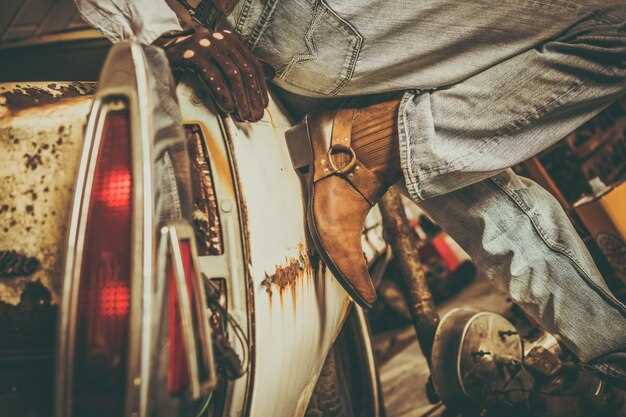
Regular inspections are crucial for preventing rust on 1970s car bodies. Establishing a routine inspection schedule allows owners to identify and address potential rust issues before they escalate. This proactive approach focuses on early detection and intervention, reducing the risk of extensive damage.
Start by examining critical areas prone to rust, such as wheel wells, undercarriage, and seams. Inspect for signs of moisture accumulation, paint chipping, or bubbling, which can indicate underlying corrosion. Pay close attention to the areas where different metals meet, as these joints are often susceptible to rust formation.
During inspections, clean the car thoroughly to remove dirt, grime, and potentially corrosive substances. A clean surface allows for a more accurate assessment of any developing rust. Additionally, consider using rust inhibitors or sealants during these inspections to provide extra protection to vulnerable areas.
Document the findings of each inspection in a log to track any changes over time. This record helps to identify patterns and prioritize maintenance tasks. If rust is detected, address it promptly by treating the affected area with appropriate rust removal products or seeking professional assistance for more extensive repairs.
In conclusion, maintaining a regular inspection schedule is an essential step in rust prevention for 1970s car bodies. Consistent monitoring and timely interventions significantly extend the lifespan of the vehicle while preserving its aesthetic and structural integrity.


