


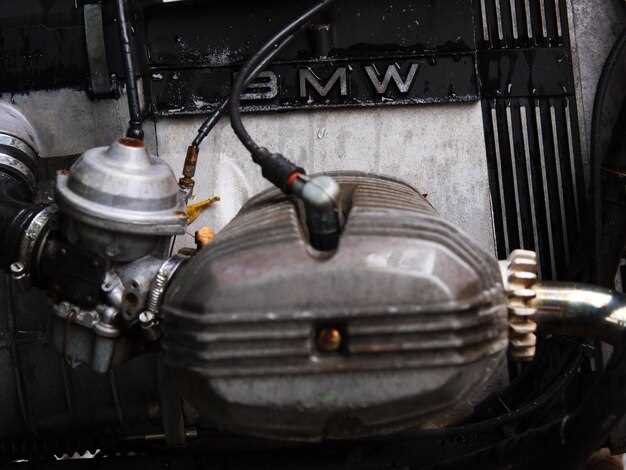
Owning a classic car from the 70s is a rewarding experience, but it also comes with the responsibility of ensuring the engine remains in optimal condition. The heart of any vehicle, the engine, requires consistent care to maintain performance and longevity. Understanding the unique aspects of vintage engines can help enthusiasts preserve their cars for generations to come.
Classic car engines are often simpler in design compared to modern counterparts, making them easier to work on, but they also demand a specialized approach to care. Regular maintenance, including oil changes and spark plug replacements, is essential to avoid issues such as overheating and poor fuel efficiency. Owners should familiarize themselves with the specific needs of their classic engines to keep them running smoothly.
Additionally, sourcing high-quality parts and fluids designed for older models can make a significant difference in the maintenance process. From the carburetor to the cooling system, each component plays a vital role in the overall health of the engine. By prioritizing proper upkeep, classic car enthusiasts can enjoy the nostalgia and performance of their beloved vehicles for years to come.
Regular Oil Changes and the Right Oil Type
For classic car enthusiasts, maintaining the engine in peak condition is essential for longevity and performance. One of the most critical aspects of engine care is regular oil changes. Over time, engine oil breaks down, losing its ability to lubricate effectively. This can lead to increased wear on engine components, potentially resulting in costly repairs.
To keep your classic car running smoothly, establish a routine oil change schedule. Depending on your driving habits and the type of oil used, changing the oil every 3,000 to 5,000 miles is often recommended. However, always refer to your owner’s manual for specifics related to your model.
Choosing the right type of oil is equally important. Classic car engines from the 70s often require non-synthetic oils or specific viscosity grades that align with older engine designs. Look for oils labeled as suitable for classic cars, which may contain higher levels of zinc and phosphorus to protect flat tappet camshafts commonly found in these vehicles.
When selecting oil, consider both the climate and your driving conditions. A thicker oil may be beneficial in warmer climates, while a thinner oil can provide better performance in colder temperatures. Additionally, always ensure that the oil meets the API (American Petroleum Institute) standards applicable to your classic car.
By prioritizing regular oil changes with the appropriate oil types, you ensure your classic car not only performs well but also preserves its engine’s integrity for years to come.
Checking and Tuning the Ignition System

The ignition system is crucial for the optimal performance of your classic car’s engine. Regular checks and tuning can prevent misfires, improve fuel efficiency, and extend the life of your vehicle. Start by inspecting the spark plugs; ensure they are clean and properly gapped according to the manufacturer’s specifications. Worn or dirty spark plugs can lead to poor engine performance and should be replaced as needed.
Next, examine the ignition wires and coils. Look for signs of wear, such as cracks or fraying, which can cause a weak spark. Replacing damaged wires will help maintain the consistent ignition required for smooth engine operation. Use high-quality spark plug wires designed for your classic model to ensure optimal performance.
Check the distributor cap and rotor for corrosion or carbon buildup. These components play a key role in directing the electrical current from the ignition coil to the spark plugs. Cleaning or replacing these parts is essential for a reliable ignition system. Additionally, ensure that the timing is properly set; incorrect timing can lead to poor engine performance and increased emissions.
Lastly, inspect the battery and charging system, as a weak battery can affect the ignition system’s performance. Ensure that the battery terminals are clean and tightly connected. A battery that is in good condition provides the necessary power to start your classic car and maintain optimal engine function. Regular care of your ignition system will keep your engine running smoothly, allowing you to enjoy your classic car for years to come.
Cooling System Maintenance: Radiator and Hoses Care

Maintaining the cooling system in your classic car is essential for optimal performance and longevity. The radiator and hoses play a crucial role in preventing overheating, which can lead to severe engine damage.
Regular Inspections: Checking the radiator and hoses should be a routine part of your classic car care. Look for any signs of wear, such as cracks, bulges, or leaks in the hoses. Ensure that the connections between the hoses and radiator are secure to avoid coolant loss.
Coolant Replacement: Over time, coolant can break down and lose its effectiveness. It is essential to replace the coolant at recommended intervals to keep your engine running cool. Use the type of coolant specified for your classic car to ensure compatibility.
Radiator Cleaning: A clean radiator is vital for efficient heat dissipation. Periodically flush the radiator to remove any debris, rust, or deposits that can block the flow of coolant. This simple maintenance task can significantly enhance cooling performance.
Hose Replacement: If you notice any signs of deterioration on the hoses, replace them immediately. Rubber hoses can become brittle over time, especially in a classic car. Keep spare hoses on hand to minimize downtime in case of a failure.
Thermostat Functionality: The thermostat regulates the engine temperature by controlling coolant flow. Regularly check its function to ensure it opens and closes as intended. A malfunctioning thermostat can cause temperature fluctuations, leading to potential overheating.
Proper care of the radiator and hoses is vital in maintaining your classic car’s cooling system. By performing these maintenance tasks, you help ensure that your vintage vehicle runs smoothly and reliably for years to come.


