



The 1970s marked a significant turning point in automotive marketing, as the industry faced unique challenges and opportunities. The decade was characterized by economic fluctuations, fuel crises, and a growing awareness of environmental issues, all of which prompted advertisers to rethink their strategies. Traditional ads began to evolve, incorporating new themes that resonated with the changing consumer landscape.
During this time, the automotive industry shifted its focus from simply promoting the vehicles’ technical features to connecting with the audience on a more emotional level. Ads began to highlight lifestyle aspirations, emphasizing freedom and individuality that car ownership represented. As gas prices surged due to the oil crisis, automakers started to promote fuel efficiency and compact cars, adapting to a market that was becoming increasingly price-conscious.
Moreover, the rise of television as the dominant advertising medium created a platform for memorable campaigns and iconic jingles that became part of popular culture. The shift towards visual storytelling allowed brands to craft narratives that distinguished them in a crowded marketplace. By understanding consumer needs and values, the automotive ads of the 1970s set the foundation for modern marketing strategies, reflecting both the challenges of the times and the innovative spirit of the era.
The Impact of Muscle Cars on Advertising Strategies

The rise of muscle cars in the 1970s revolutionized automotive advertising strategies, resulting in a distinct shift towards performance-oriented messaging. This era saw an explosion of horsepower and style, which manufacturers leveraged to create compelling ads that captivated consumers. The appeal of these high-performance vehicles became a central theme in marketing campaigns, targeting a younger demographic eager for speed and excitement.
Ads prominently featured muscle cars in vibrant, vintage settings, often showcasing their powerful engines and sleek designs. The strategy emphasized the freedom and rebellion associated with driving these iconic vehicles, aligning with the cultural movements of the time. Advertisers skillfully utilized imagery of muscle cars racing down highways or dominating the streets, evoking a sense of adventure that resonated with potential buyers.
Furthermore, muscle cars represented a lifestyle choice, and advertisements capitalized on this by portraying them as symbols of status and individuality. This positioning allowed brands to create an emotional connection with customers, encouraging them to aspire to the luxury and thrill associated with owning such cars. Innovative campaigns, featuring catchy slogans and memorable jingles, further amplified the appeal of muscle cars in the marketplace.
The influence of muscle cars extended beyond just the vehicles themselves; it transformed how automotive companies approached marketing. Advertisers began to incorporate bold visuals, dynamic storytelling, and an emphasis on technology that would define future campaigns. The shift laid the groundwork for a new era of automotive advertising that continues to impact strategies in today’s market.
Visual Imagery and Slogans: What Worked in the 1970s
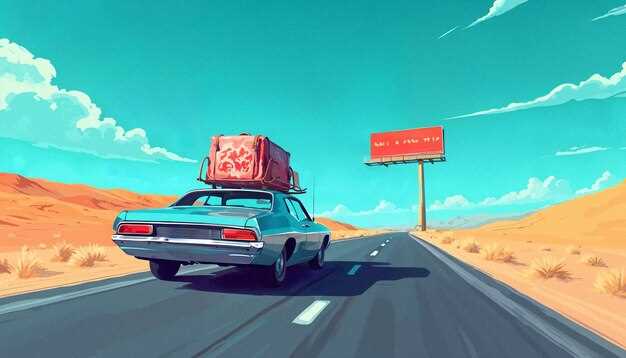
The 1970s marked a pivotal era in automotive advertising, where vintage visuals and catchy slogans played a crucial role in capturing consumer attention. Advertisements of this decade often featured bold colors, sleek designs, and a sense of freedom that resonated with the American spirit. Car manufacturers understood the importance of evoking emotions through imagery, leading to a significant shift in how they presented their vehicles.
Visual imagery in automotive ads during the 1970s often highlighted landscapes that symbolized adventure and independence. Wide-open highways, picturesque mountains, and suburban neighborhoods painted the perfect backdrop for showcasing new models. This escapism appealed to consumers seeking a sense of liberation amidst the increasing urbanization of America.
Slogans became a powerful tool for branding in this decade. Finger-licking phrases like “The Longest Lasting Cars in the World” and “Built Ford Tough” emerged, embodying the essence of durability and reliability. These memorable slogans not only encapsulated the qualities of the vehicles but also forged a lasting connection with the audience, encouraging loyalty and brand recognition.
Furthermore, the rise of television as a dominant advertising medium allowed manufacturers to integrate visuals and audio seamlessly. Commercials featured vibrant scenes of families enjoying road trips, reinforcing the message that owning a particular car was synonymous with happiness and togetherness. The imagery combined with uplifting or catchy jingles created an immersive experience that left a lasting impression.
As the decade progressed, automotive ads began reflecting the growing awareness of environmental issues, leading to slogans and visuals that emphasized fuel efficiency and sustainability. Advertisements increasingly balanced the appeal of personal freedom with social responsibility, adapting to the changing values of consumers. This evolution in messaging not only showcased the adaptability of the automotive industry but also laid the groundwork for future advertising trends.
The Role of Television Commercials in Car Sales Boost
During the 1970s, television commercials emerged as a powerful force in automotive marketing, significantly influencing consumer behavior and boosting car sales. The medium provided a unique opportunity for manufacturers to showcase their vehicles in a dynamic and visually engaging manner. Advertisers capitalized on the popularization of TV, targeting specific demographics with tailored ads to maximize their impact.
Television allowed car manufacturers to present their models in action, highlighting features such as performance, safety, and style. By integrating narratives and emotional appeals, commercials created a memorable association between a vehicle and the consumer’s lifestyle aspirations. These marketing strategies made cars not just a means of transportation, but a symbol of status and freedom.
The rise of the television commercial coincided with an increase in competition among automakers. To stand out, companies invested heavily in creative advertising, resulting in memorable catchphrases and jingles that resonated with audiences. This creative approach not only captured attention but also built brand loyalty, encouraging customers to consider specific manufacturers when purchasing their next vehicle.
Furthermore, the ability to reach mass audiences provided advertisers with valuable insights into viewer preferences, allowing for more refined marketing approaches. By analyzing demographic data, automakers could design ads that resonated with particular segments of the population, thus enhancing the effectiveness of their campaigns. The success of these television commercials was evident in the increased foot traffic at dealerships and the rising sales numbers throughout the decade.
In summary, television commercials played a crucial role in the automotive industry during the 1970s, transforming marketing strategies and driving car sales. The combination of visual storytelling, targeted messaging, and creative branding established a new standard for advertising, leaving a lasting impact on consumer perceptions and behaviors in the automotive market.


